Apr 1 . 2 mins read
Early Childhood Education began being taken seriously all the way back in 1837 when Friedrich Fröbel developed the concept of kindergarten. He was one of the earliest early childhood education pioneers. He was known for:
In 1896, John Dewey began to champion the idea of learning things by doing things. This was a whole new idea in the world of Education. His progressive education theories influenced major and wide-ranging school reforms. He was also known for:
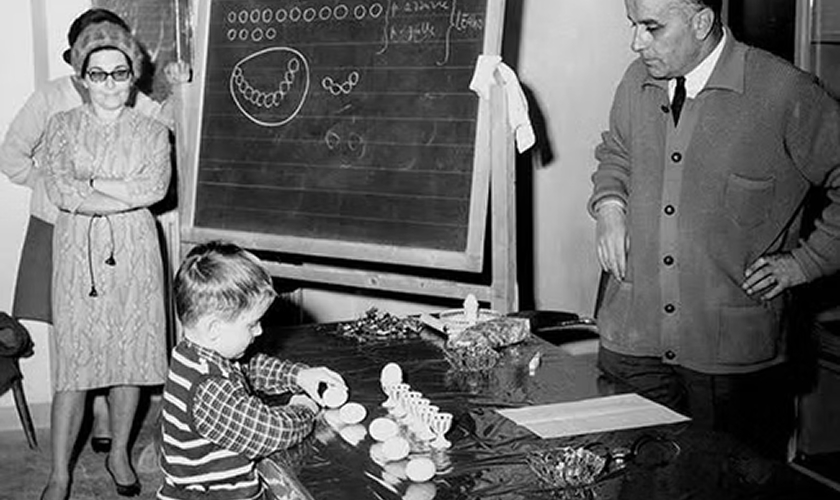
In 1907, Maria Montessori opened the first Casa dei Bambini (Children’s House) in Rome. This was s pace created especially for young children, with the specific goal of developing their learning and particular interests. She was known for:
Maria Montessori
Between 1924-1934, Lev Vygotsky introduced his theory of the Zone of Proximal Development and scaffolding. This was a new way of understanding how children learn best. He was interested in understanding each child’s “sweet spot” between what they can do on their own and what they can do with some adult help. He believed that learning happens best in this zone, and that with the help of a more knowledgeable person (teacher, parents or peer) a child grows in confidence and over the time the support is gradually removed, revealing a child who is now competent at that task.
In 1945 Loris Malaguzzi founded the Reggio Emilia approach to early childhood education and the first Reggio Emilia school in post-WWII Italy. This was unique because it was completely child centric. He was famous for the amount of value he placed on each child’s innate ability.
Loris Malaguzzi
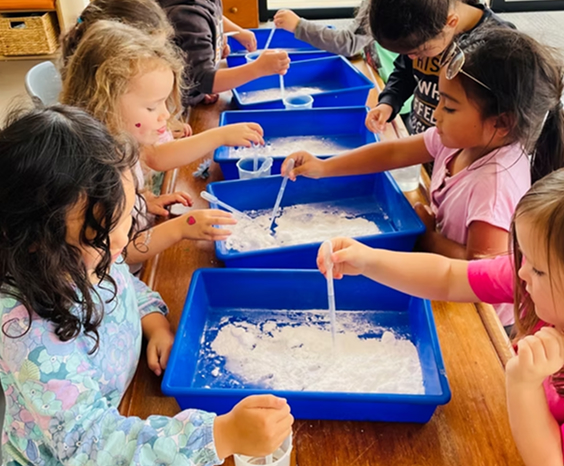
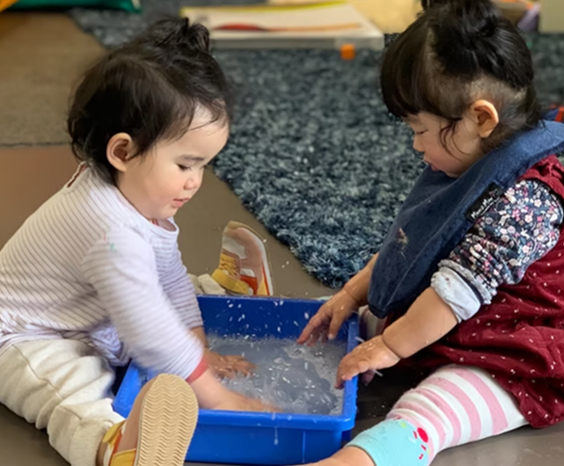
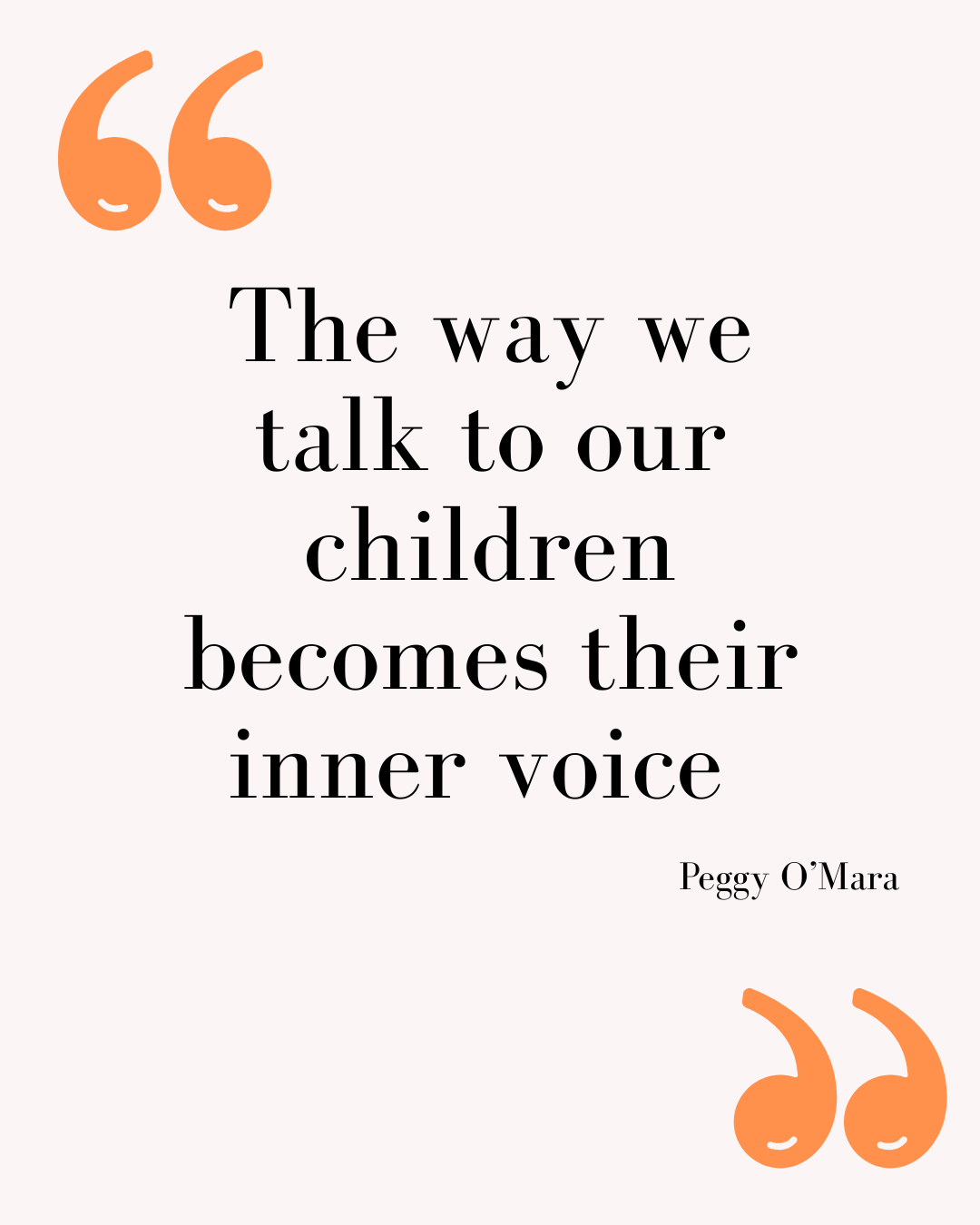
The way we talk to our children becomes their inner voice - Peggy O’Mara
© 2025 Eduplay. All rights reserved.